GUADALUPE CASTELLÁ
Proyect name
Aluvial
Integral design - tesis
Proyect timeline
August - December 2025
Collab
Mora Casal
As the memory of Buenos Aires’ immigrant origins fades, a gap has emerged between the city’s neighborhoods and Puerto Madero. Aluvial seeks to reconnect these histories and restore a sense of continuity through everyday cultural heritage.

[1580 - 1810]
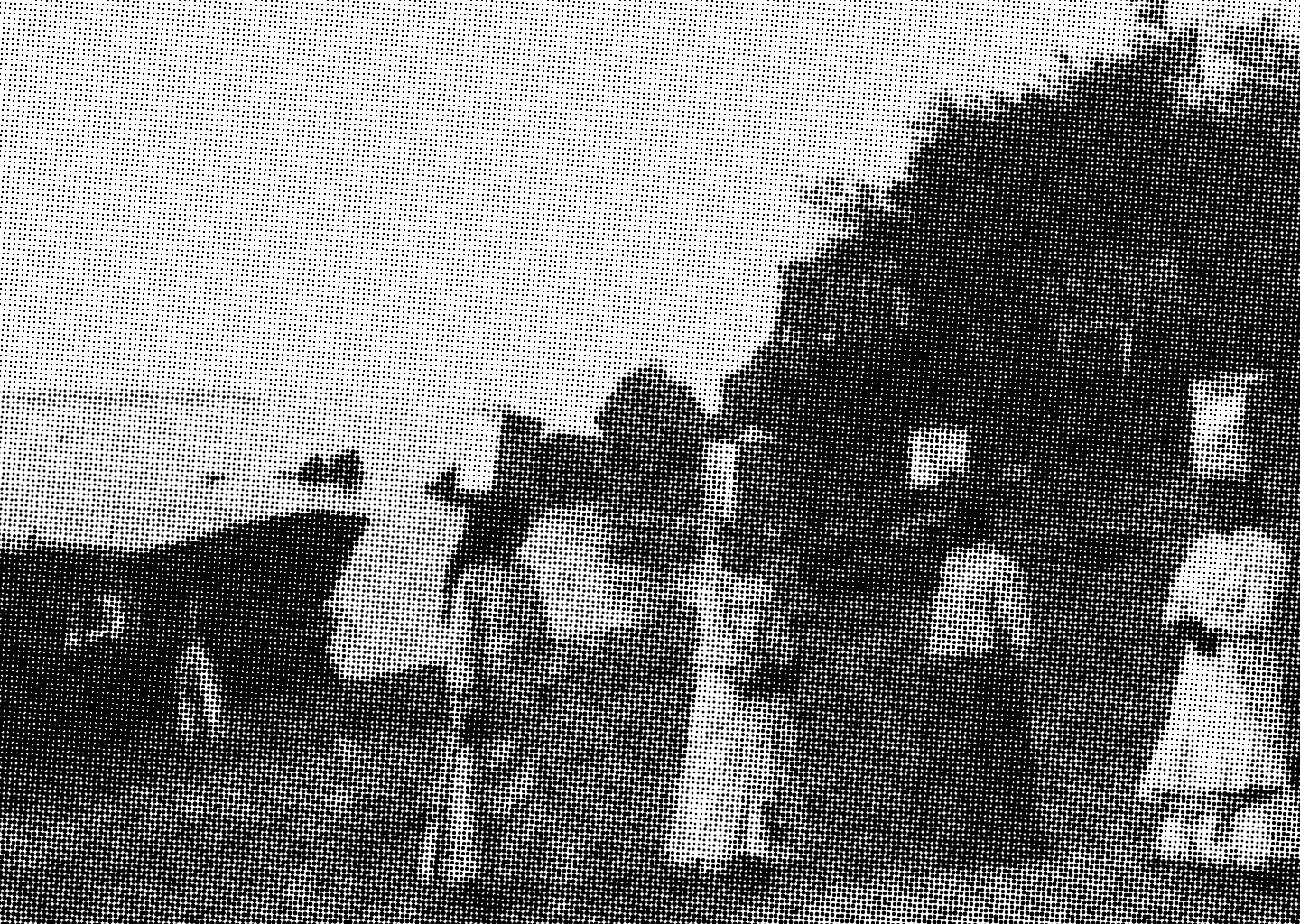
During the colonial period in Buenos Aires (16th–19th centuries), slavery shaped economic and social life.


[1860 - 1930]
Between the late 19th and early 20th centuries, Argentina experienced the “Great Immigration,” as millions of Europeans arrived seeking work and new opportunities.

For over 150 years, border migrations brought workers from neighboring countries to Argentina. Often socially denied or marginalized.

[1850 - 2025]
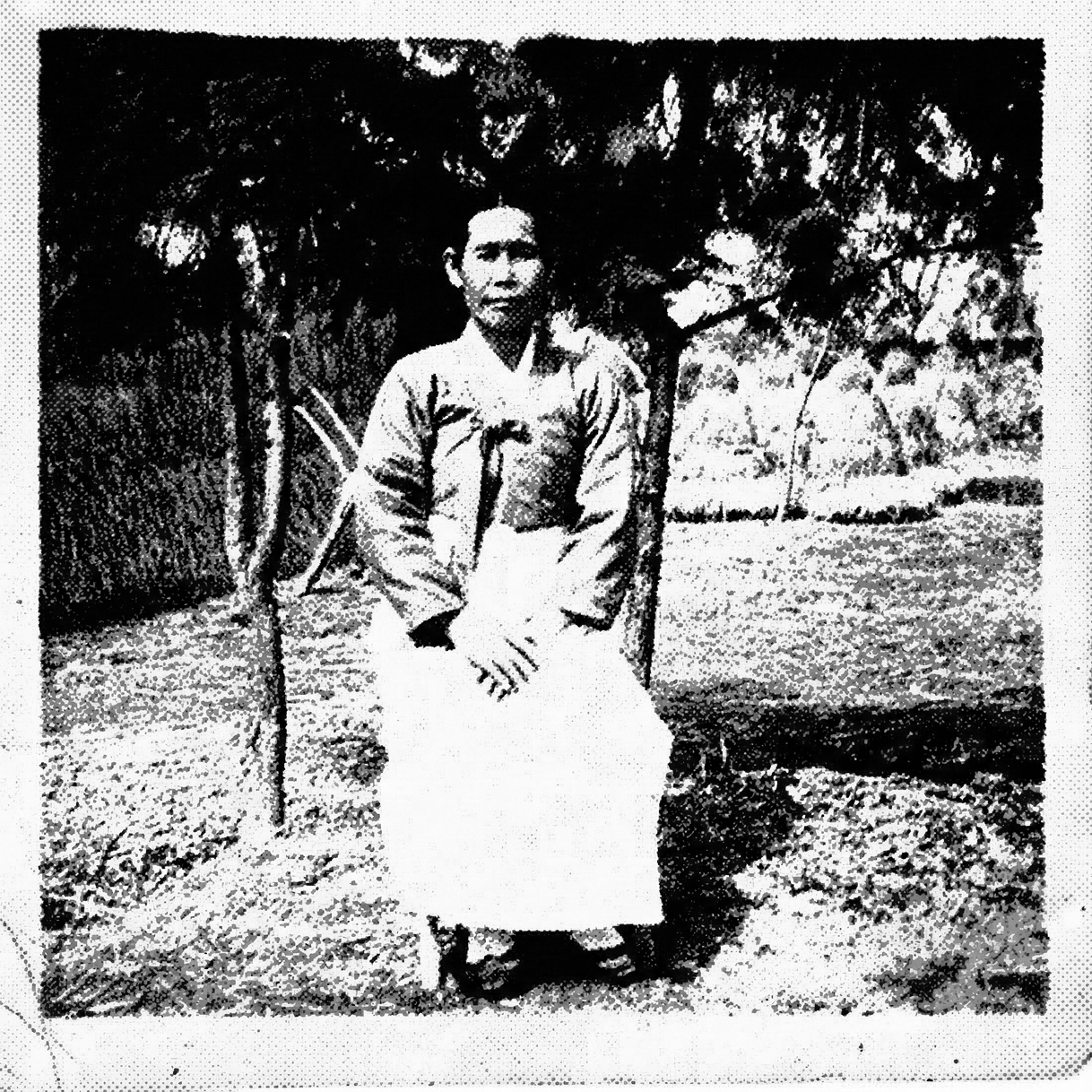
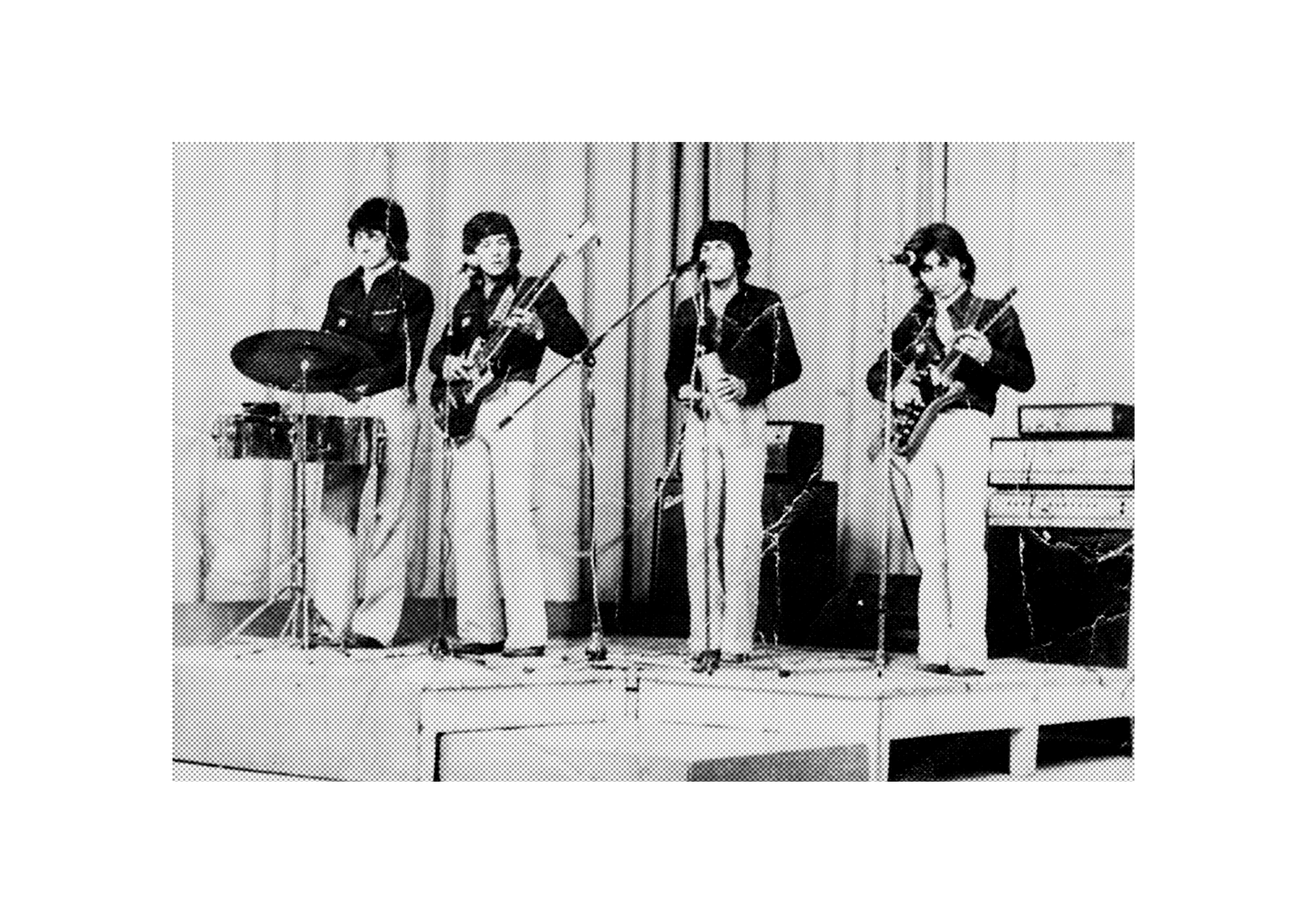
Chinese and Korean communities settled in Buenos Aires between 1960 and 2000 seeking better opportunities in the textile and retail industry.
[1960 - 2000]

[01]
Language—our words—has a history and an origin. In our society, they are traces of who we were that continue to appear in the present. In them, and in their expressions, the identity of our people lives on.
[02]
Objects move through time and endure, carrying forms of knowledge that are reinvented and revalued by each new generation.
[03]
Milestones mark turning points in history: events, objects, or moments that reshape the present. Many of them emerged through immigration; without it, our present would be profoundly different.
[04]
Throughout the city, there are spaces of immigrant origin, filled with stories and meanings that often remain hidden. We inhabit them every day, but we are not always aware of the heritage they have to tell us.
We developed an identity that reflects the weight of immigration history and we sought ways to make it more present through different formats


About the proyect


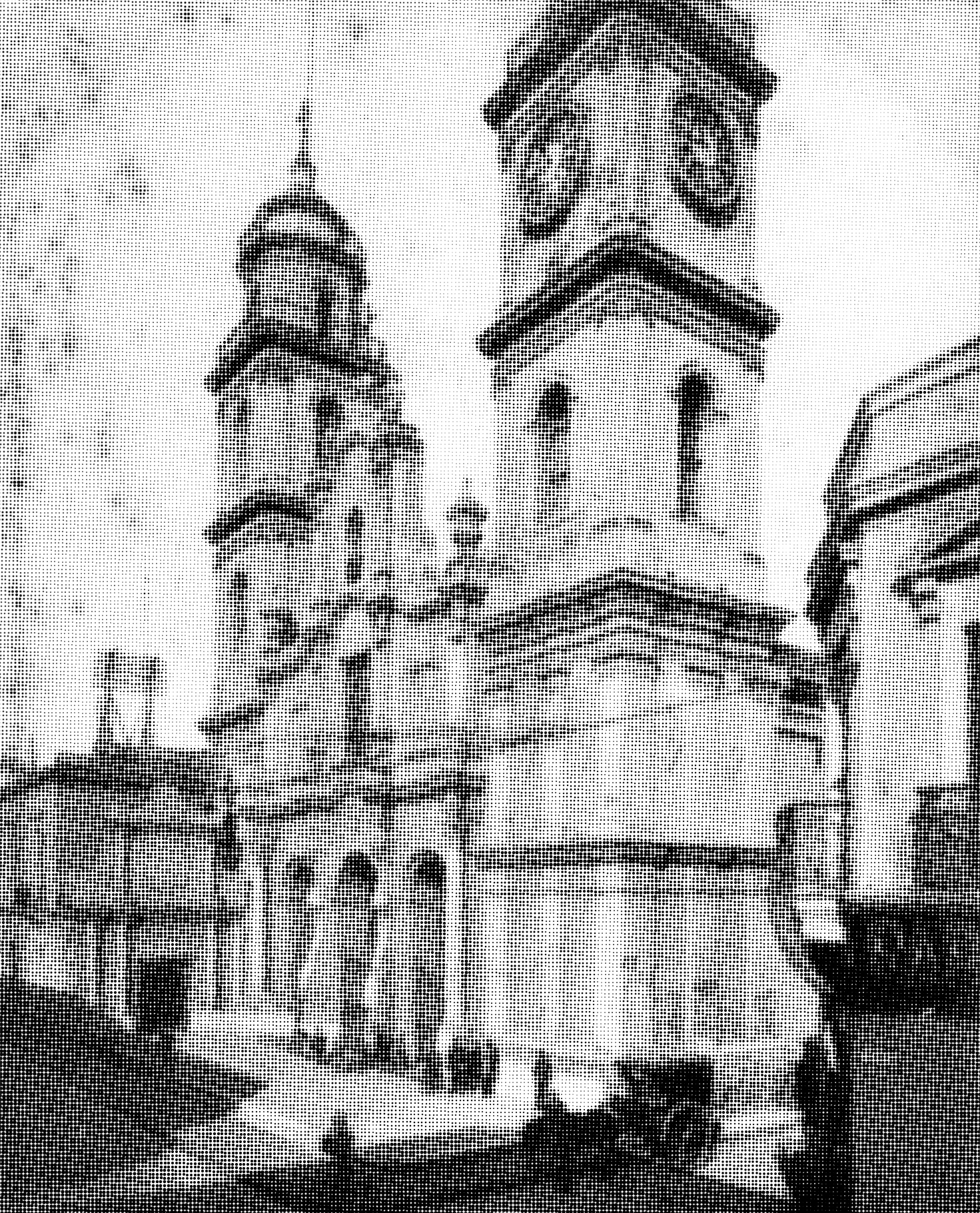
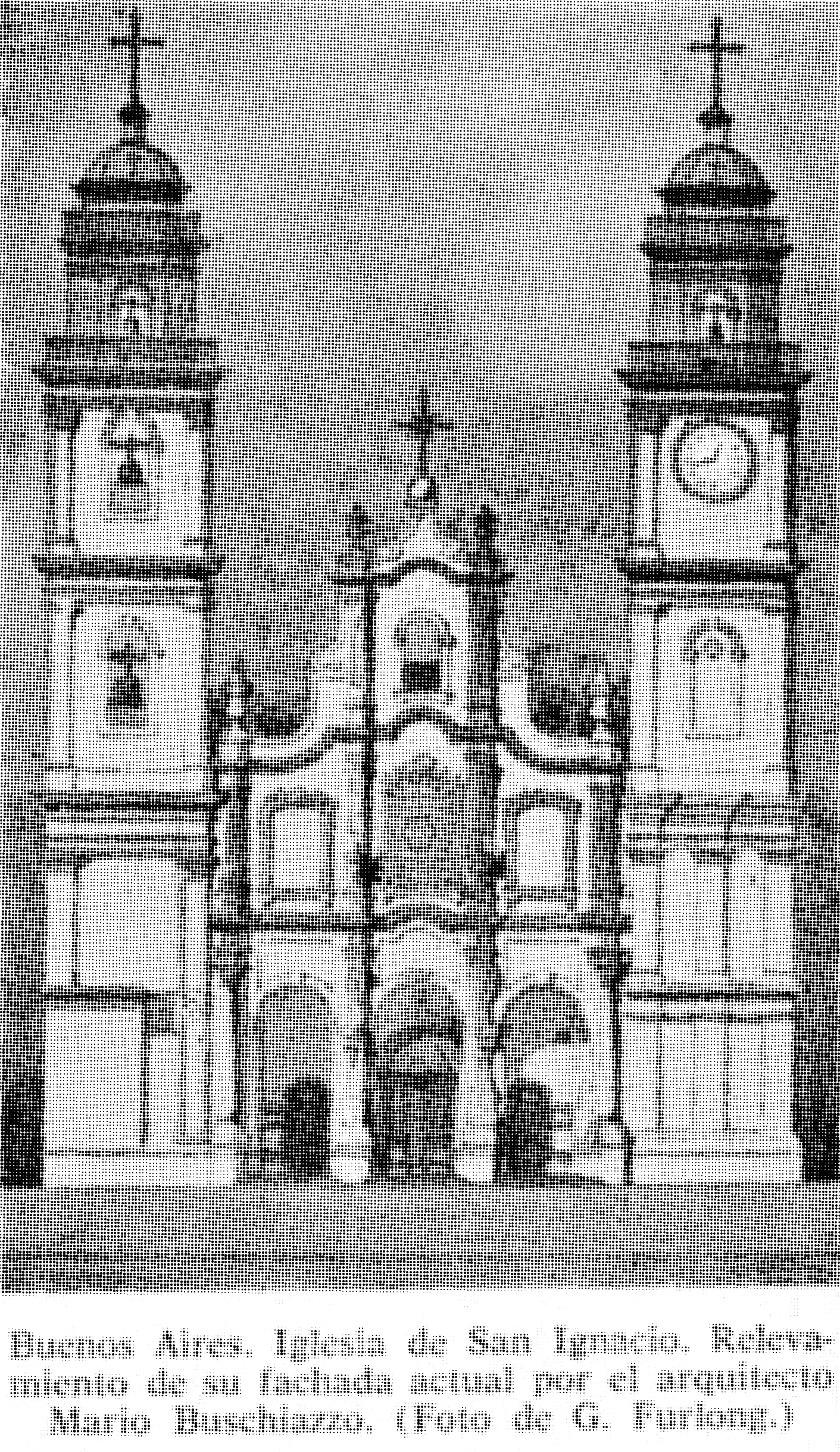
[Iglesia San Ignacio Loyola]

Antigüamente los esclavos circulaban por estos tuneles
obligados a no verse por la calle
1800
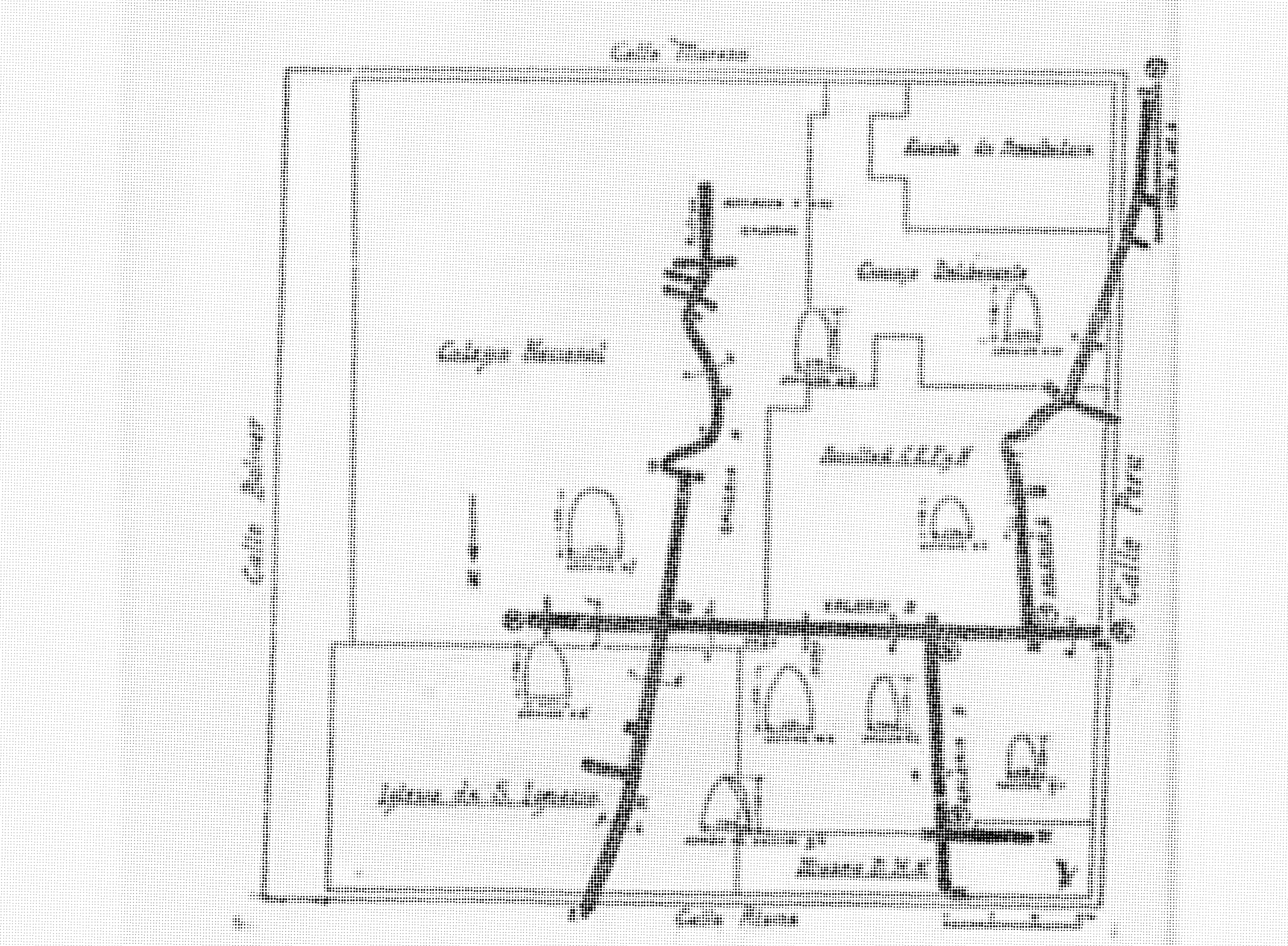
Es la primera iglesia construida en la ciudad en la época colonial
1720
[00] A website that gathers the historical archive of these immigrations and allows users to contribute new research, keeping history active and open to exploration.

https://aluvial.com
[01] Brochure. A piece for the street. Collectible.
[02] Catalogue. Made to compile all the research.
[03] Logbook. A record of the personal thesis process.
[04] Cards. An additional set of images that shape and accompany the project’s identity.
GC
Based in Madrid
/ About the proyect
Proyect name
Aluvial
Integral design - tesis
Proyect timeline
August - December 2025
Collab
Mora Casal
GUADALUPE CASTELLÁ
[03]
Milestones mark turning points in history: events, objects, or moments that reshape the present. Many of them emerged through immigration; without it, our present would be profoundly different.
About the proyect
As the memory of Buenos Aires’ immigrant origins fades, a gap has emerged between the city’s neighborhoods and Puerto Madero. Aluvial seeks to reconnect these histories and restore a sense of continuity through everyday cultural heritage.
/ About the proyect
[1580 - 1810]
During the colonial period in Buenos Aires (16th–19th centuries), slavery shaped economic and social life.
[1860 - 1930]
Between the late 19th and early 20th centuries, Argentina experienced the “Great Immigration,” as millions of Europeans arrived seeking work and new opportunities.
For over 150 years, border migrations brought workers from neighboring countries to Argentina. Often socially denied or marginalized.
[1850 - 2025]
Chinese and Korean communities settled in Buenos Aires between 1960 and 2000 seeking better opportunities in the textile and retail industry.
[1960 - 2000]
We seek to trace the different contributions that shape Argentina—especially in the city of Buenos Aires—through these successive waves of immigration
[01]
Language—our words—has a history and an origin. In our society, they are traces of who we were that continue to appear in the present. In them, and in their expressions, the identity of our people lives on.
[02]
Objects move through time and endure, carrying forms of knowledge that are reinvented and revalued by each new generation.





[04]
Throughout the city, there are spaces of immigrant origin, filled with stories and meanings that often remain hidden. We inhabit them every day, but we are not always aware of the heritage they have to tell us.




[Feria Plaza Francia]
[Museo de Arte Popular]
[Casa China]
[Feria Belgrano]
[Barrio Chino]
[Palacio Paz]
[Palacio Bencich]
[Palacio San Martin]
[Iglesia San Ignacio Loyola]
[Barrio Coreano]
[Calle Defensa]
[Casa Minima]
Belgrano
Palermo
Flores
Recoleta
San Telmo
[Club Español]
[Parque Lezama]
We developed an identity that reflects the weight of immigration history and we sought ways to make it more present through different formats
[00] A website that gathers the historical archive of these immigrations and allows users to contribute new research, keeping history active and open to exploration.
Open this link to see more about this website
https://aluvial.com



[01] Brochure. A piece for the street. Collectible.
[02] Catalogue. Made to compile all the research.
[03] Logbook. A record of the personal thesis process.
[04] Cards. An additional set of images that shape and accompany the project’s identity.
GUADALUPE CASTELLÁ
Based in Madrid
GUADALUPE CASTELLÁ
Aluvial
Proyect name
Integral proyect - thesis
Proyect timeline
August - December 2025
Collab
Mora Casal
The lack of historical awareness and of our immigrant origins creates a physical and symbolic gap between Buenos Aires’ neighborhoods and Puerto Madero, where the memory of those who shaped our culture has gradually faded. Out of this gap, Aluvial emerges: a project that seeks to reconnect with the city’s immigrant history and its roots. It aims to make visible the cultural heritage woven into everyday life, and to restore a sense of belonging and continuity across Buenos Aires’ neighborhoods.
[02]
Objects move through time and endure, carrying forms of knowledge that are reinvented and revalued by each new generation.
[01]
Language—our words—has a history and an origin. In our society, they are traces of who we were that continue to appear in the present. In them, and in their expressions, the identity of our people lives on.
[03]
Milestones mark turning points in history: events, objects, or moments that reshape the present. Many of them emerged through immigration; without it, our present would be profoundly different.
[01] Brochure. A piece for the street. Collectible.
[00] A website that gathers the historical archive of these immigrations and allows users to contribute new research, keeping history active and open to exploration.
Open this link to see more about this website
https://aluvial.com
[02] Catalogue. Made to compile all the research.
[03] Logbook. A record of the personal thesis process.
[04] Cards. An additional set of images that shape and accompany the project’s identity.
[04]
Throughout the city, there are spaces of immigrant origin, filled with stories and meanings that often remain hidden. We inhabit them every day, but we are not always aware of the heritage they have to tell us.




[Feria Plaza Francia]
[Museo de Arte Popular]
[Casa China]
[Feria Belgrano]
[Barrio Chino]
[Palacio Paz]
[Palacio Bencich]
[Palacio San Martin]
[Iglesia San Ignacio Loyola]
[Barrio Coreano]
[Calle Defensa]
[Casa Minima]
Belgrano
Palermo
Flores
Recoleta
San Telmo
[Club Español]
[Parque Lezama]


We seek to trace the different contributions that shape Argentina—especially in the city of Buenos Aires—through these successive waves of immigration
We developed an identity that reflects the weight of immigration history and we sought ways to make it more present through different formats

[1860 - 1930]
Between the late 19th and early 20th centuries, Argentina saw the “Great Immigration,” with millions of Europeans arriving in search of work and a better life. After a month-long sea journey, they stayed briefly at the Immigrants’ Hotel and then settled in communities of shared origin, gradually adapting their customs to the new country over time.

Border migrations to Argentina have been a continuous but often overlooked process for over 150 years, shaped by everyday crossings, seasonal work, and family networks, as migrants from Bolivia, Paraguay, Chile, and Uruguay sought better wages, stability, and opportunities and formed communities that are now part of the country’s urban and rural life.
[1850 - 2025]
Chinese and Korean communities settled in Buenos Aires between 1960 and 2000 in search of better opportunities. Koreans concentrated mainly in the textile industry, while Chinese migrants spread more widely, especially in retail, maintaining cultural ties as diasporas while gradually integrating into Argentine life.
[1960 - 2000]


[1580 - 1810]
During the colonial period in Buenos Aires (16th to 19th centuries), slavery was central to economic and social life, even as Afro-descendant communities were largely erased from official narratives. Enslaved people, mainly from Africa, worked in homes, workshops, the port, and the countryside, contributing skills and cultural traditions whose lasting legacy is only now being recovered.







/ About the proyect
GUADALUPE CASTELLÁ
Based in Madrid